Unveiling the Perks and Difficulties of Metal Spreading in Industrial Production
Steel casting plays a vital role in industrial manufacturing, providing special advantages such as layout adaptability and cost-efficiency. It additionally deals with significant obstacles, specifically concerning ecological effects and resource monitoring. The balance in between maximizing benefits and decreasing drawbacks is vital for lasting practices. Exploring these dynamics reveals much deeper insights into the future of steel casting and its evolving duty in production. What methods will form this industry progressing?
Review of Metal Casting Procedures
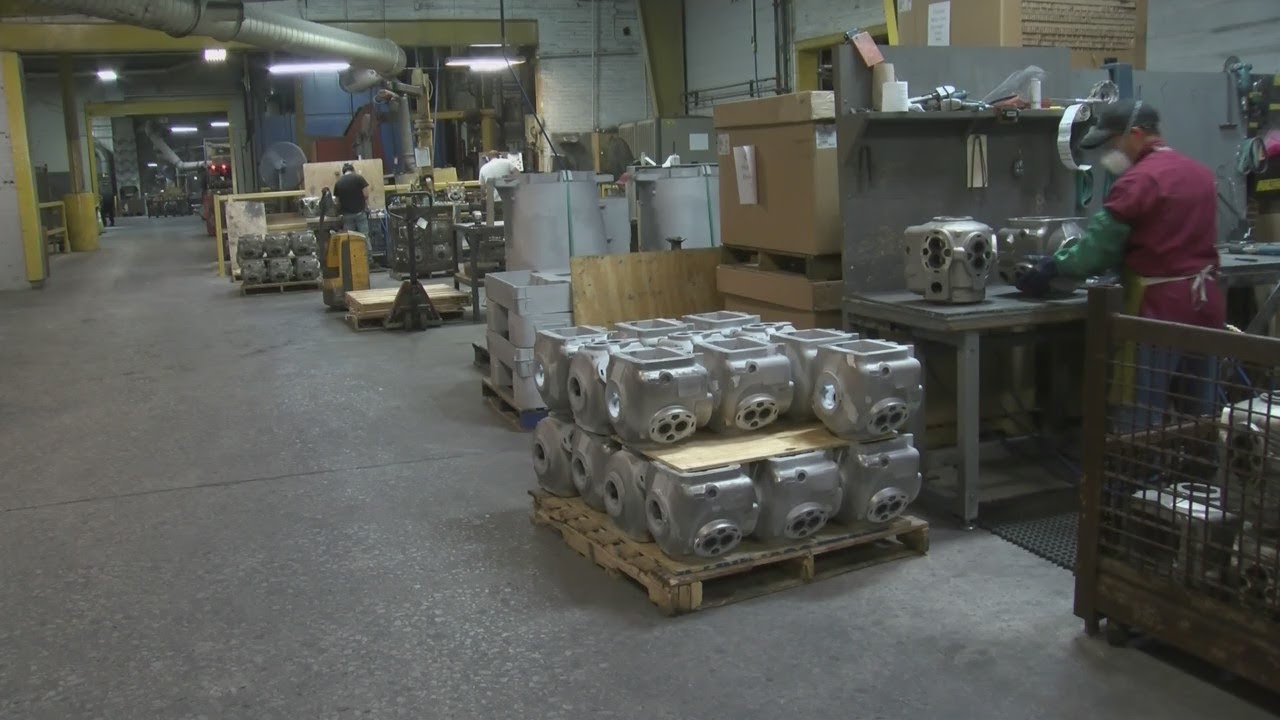
Steel spreading acts as a basic procedure in commercial production, transforming liquified metal into different forms and components. This strategy includes a number of methods, including sand spreading, investment casting, and die casting, each tailored for particular applications. Sand spreading involves producing a mold and mildew from sand, which can be recycled, making it affordable for bigger manufacturing runs. Financial investment casting, understood for its accuracy, makes use of wax patterns that are disappeared to form complex molds, ideal for complex geometries. Die casting, on the various other hand, utilizes high-pressure shot of liquified steel right into steel molds, making certain harmony and rapid manufacturing prices. Each method possesses special qualities, influencing the selection based upon elements such as material production, type, and intricacy volume. Comprehending these procedures allows makers and designers to boost and maximize designs efficiency in the manufacturing of steel elements throughout various industries.
Advantages of Steel Spreading in Manufacturing
While many manufacturing procedures exist, metal casting sticks out because of its numerous advantages. One substantial benefit is its capacity to generate complicated shapes and elaborate designs with high accuracy, which is usually difficult in other approaches. Steel spreading enables making use of a wide array of products, consisting of ferrous and non-ferrous metals, enabling makers to pick the very best product for details applications. In addition, this procedure can suit large manufacturing runs, making it affordable for automation. The toughness of actors metal items contributes to their long life and efficiency in numerous commercial applications. Additionally, steel spreading reduces product waste, as excess material can usually be recycled in subsequent batches. The process is versatile to numerous commercial sectors, from automobile to aerospace, making sure a wide applicability of actors components. These advantages setting metal casting as a crucial method in modern-day manufacturing.
Design Adaptability and Modification
Steel casting provides significant layout flexibility, enabling the production of complex geometries that fulfill particular engineering needs (Aluminum Foundry). This flexibility encompasses material choice, enabling suppliers to tailor compositions to improve efficiency qualities. Because of this, steel casting ends up being an essential process in producing customized elements for diverse applications
Complicated Geometries Possible
Style flexibility and personalization in metal casting enable for the development of intricate geometries that would certainly be difficult or difficult to accomplish through standard production methods. This ability is specifically helpful in industries calling for intricate components, such as aerospace and auto. The spreading procedure can suit varied shapes, consisting of internal functions and damages, which are frequently tough to generate with machining. Additionally, the capacity to generate big components in a single piece reduces the requirement for setting up, boosting structural stability and efficiency. The elaborate layouts enabled by metal spreading not only meet specific useful demands yet likewise enable visual considerations, providing makers with the possibility to introduce and differentiate their products in a competitive market.
Customized Material Selection
A varied variety of materials can be chosen for steel spreading, allowing producers to tailor their items to details efficiency demands and environmental conditions. This flexibility enhances design abilities, allowing the production of parts with customized homes. For example, alloys can be engineered to improve strength, deterioration resistance, or thermal security, depending upon the intended application. By selecting products that meet accurate requirements, producers can maximize capability and durability of their items. In addition, this tailored strategy facilitates the adaptation of styles for numerous markets, from vehicle to aerospace, guaranteeing that each element carries out successfully under its unique functional stress factors. Ultimately, tailored material choice in steel casting not only supports innovation however additionally drives affordable advantage in industrial manufacturing.
Environmental Obstacles in Steel Casting
The steel casting market deals with considerable ecological challenges, particularly concerning exhaust control procedures, waste management methods, and source intake concerns. These factors not only affect the eco-friendly footprint of manufacturing but likewise influence regulatory conformity and public understanding. Attending to these challenges is crucial for cultivating sustainable methods within the field.
Emission Control Procedures
Metal spreading plays an essential duty in industrial manufacturing, it additionally positions substantial environmental obstacles due to unsafe exhausts generated throughout the process. To minimize these issues, various discharge control actions have actually been applied. Advanced filtering systems, such as baghouses and electrostatic precipitators, effectively capture particulate issue before it is released into the ambience. In addition, the fostering of cleaner innovations, consisting of induction melting and low-emission fuels, lowers the general carbon footprint related to casting procedures. Routine surveillance and conformity with ecological guidelines better assure that discharges stay within acceptable limitations. By investing in these procedures, sectors can reduce their ecological effect while preserving functional performance and adhering to sustainability objectives.
Waste Monitoring Techniques
As steel casting procedures create substantial click here quantities of waste, efficient waste administration methods are necessary to resolve ecological challenges. These techniques include a number of methods, including waste reduction, recycling, and liable disposal. Applying cleaner manufacturing methods can considerably minimize waste generation at the source. Furthermore, recycling steel scrap and byproducts can recoup beneficial materials, consequently lessening the environmental footprint. Treatment and disposal of contaminated materials, such as shop sands and chemical residues, need rigid procedures to protect against dirt and water contamination. Furthermore, employee training on waste management practices cultivates a society of sustainability within the work environment. By adopting comprehensive waste monitoring techniques, steel spreading industries can minimize their ecological effect while improving operational performance.
Source Intake Issues
Guaranteeing Manufacturing Uniformity and Quality
Assuring production consistency and top quality in metal casting needs thorough focus to information throughout the whole manufacturing procedure. Each stage, from mold design to material selection, plays an essential duty in achieving uniformity in the end product. Precise measurements and precise spreading techniques aid decrease variations that might affect performance and reliability.
Quality control procedures, including regular inspections and screening, are necessary to recognize issues early in the production cycle. Carrying out standard processes and using advanced innovations can enhance uniformity and minimize human mistake.
Worker training and proficiency are vital, as experienced drivers are better geared up to take care of potential difficulties. Continual tracking of production parameters, such as temperature level and air conditioning prices, assurances adherence to specifications.
Future Trends in Steel Spreading Modern Technology
Emerging advancements in metal casting innovation are positioned to transform the market, boosting efficiency and accuracy. Developments such as 3D printing for mold and mildew production permit for rapid prototyping and complicated geometries that conventional approaches can not achieve. The assimilation of artificial knowledge and equipment understanding makes it possible for anticipating upkeep and improved procedure optimization, minimizing waste and power consumption.
Sustainability trends are likewise affecting the field, with a boosting emphasis on recycling products and using green practices. Advanced alloys are being created to enhance material properties, satisfying specific market demands, such as lightweight parts for automotive applications. Additionally, automation and robotics are enhancing operations, reducing human error and enhancing production rates.
Jointly, these trends show a change in the direction of an extra highly advanced, efficient, and ecologically conscious metal spreading industry, positioning it for significant development in the coming years.
Regularly Asked Inquiries

What Security Actions Are Essential During Metal Casting Procedures?
Necessary safety procedures during steel casting procedures include appropriate individual safety devices, adequate ventilation, stringent adherence to safety and security methods, normal equipment maintenance, and thorough training for employees to decrease risks and guarantee a risk-free workplace.
Just How Does Metal Spreading Influence Workforce Skills and Training?
Metal spreading substantially influences workforce skills and training by necessitating specialized understanding in metallurgy, safety procedures, and tools operation. Continual developments in innovation require recurring education and learning, fostering a competent labor force adept at adapting to sector changes.
What Are the Common Issues in Metal Casting Products?
Common issues in metal spreading products consist of porosity, shrinking, misruns, cool shuts, and additions. These problems occur from aspects like inappropriate temperature control, insufficient mold style, and contamination, impacting product high quality and performance.
Exactly How Does Metal Casting Contrast to Other Manufacturing Methods?
Metal casting supplies unique benefits such as intricate forms and material convenience, typically exceeding techniques like machining in efficiency. Nevertheless, it may lack accuracy compared to some advanced strategies, providing details difficulties in quality assurance and manufacturing rate.
What Products Are Usually Utilized in Metal Spreading?
Usual products made use of in steel casting consist of light weight aluminum, iron, steel, and bronze. Each product supplies distinct properties appropriate for different applications, affecting the casting procedure and the end product's resilience, weight, and strength.
Steel spreading plays a vital duty in commercial production, offering distinct benefits such as layout adaptability and cost-efficiency. Metal casting offers as an essential procedure in commercial manufacturing, transforming liquified steel right into different shapes and parts. Steel casting permits for the usage of a vast variety of products, including ferrous and non-ferrous steels, allowing makers to select the best product for details applications. Steel spreading plays an essential function in industrial manufacturing, it additionally poses substantial environmental challenges due to dangerous discharges produced throughout the procedure. Guaranteeing manufacturing consistency and high quality in steel spreading calls for thorough attention to information throughout the entire production procedure.